


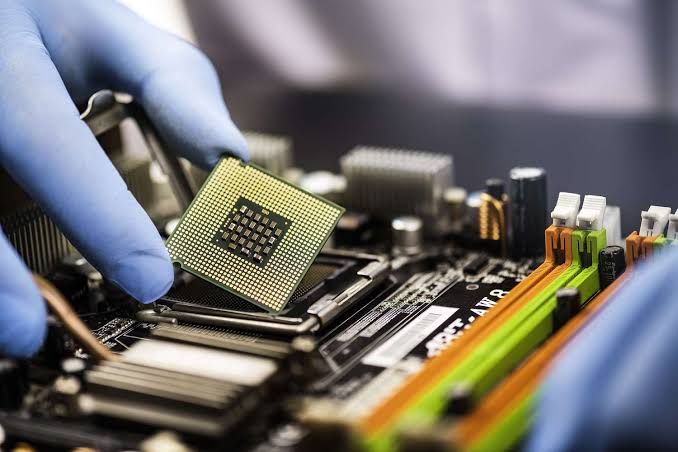
The world runs on semiconductors—from smartphones and laptops to cars and medical devices. Yet a global shortage, worsened by the COVID-19 pandemic, geopolitical tensions, and supply chain disruptions, has exposed just how fragile this industry is.

Companies like TSMC and Samsung produce most of the world’s advanced chips, with Taiwan holding over 60% of global production. This concentration creates enormous risk—any disruption in the region could impact billions of devices worldwide.

To address the crisis, governments in the U.S., EU, and Asia are investing billions to localize chip manufacturing. The U.S. CHIPS Act, for example, allocates $52 billion to boost domestic production. However, building new fabs takes years, and the shortage highlights the urgent need for diversified supply chains.
Until then, consumers may continue to see higher prices and slower product releases. The semiconductor shortage is not just an industry issue—it’s a global wake-up call about the vulnerabilities of modern technology.
Discover more from Only Global
Subscribe to get the latest posts sent to your email.

